Design · Product · Nov 2026
Six ways of thinking that help you design a better product
Design thinking is only one of them. Systems thinking is the one most teams skip.
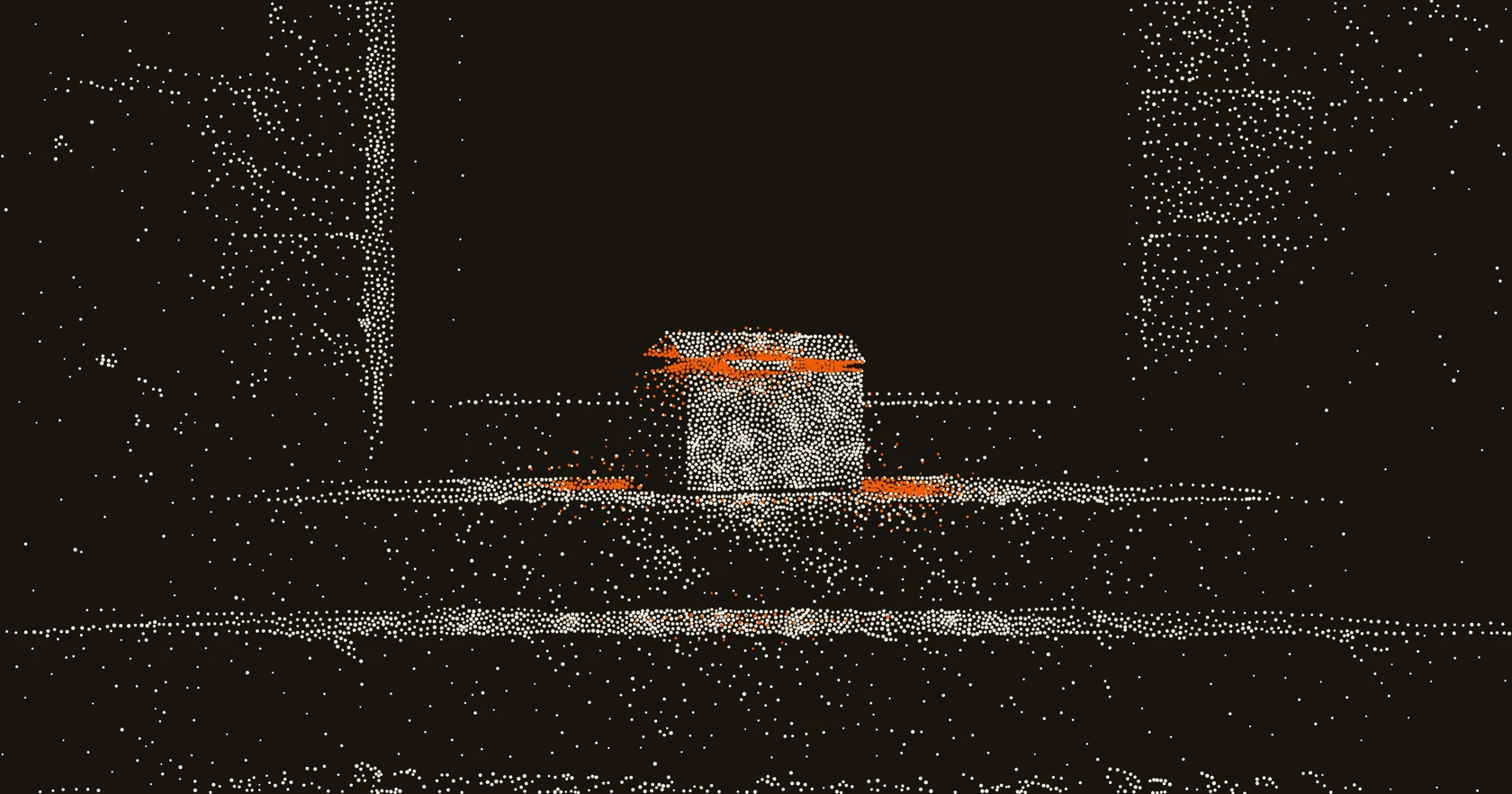
I ordered gulab jamun (a sweet). Rasmalai (a different sweet) arrived. The app said Delivered.
I told a chatbot. It gave me a ₹49 coupon on a ₹150 order. Maybe the kitchen ran out. Maybe someone picked up the wrong box. I don't know, and neither did the app.
Every screen in that journey worked.
The line ended. My evening didn't.
A product gets drawn as a line. Open the app, add to cart, pay, done. The line answers one question: what happens next? It is a good question. It is how anything gets built. It is also only one of six.
Six directions to look
Every thinking method you have heard of looks in one direction.
- Linear thinking looks forward. What happens next?
- Design thinking looks at the person. Who is this for?
- First principles looks underneath. What is actually true here?
- Critical thinking looks back. How do we know?
- Lateral thinking looks sideways. What else could this be?
- Systems thinking looks outward. And then what?
Five of these can be answered in the meeting room. The sixth cannot. Its answers live at a doorstep, in a support queue, in next quarter's numbers. So it is the one that gets skipped.
Three products that looked outward
Swiggy. My payment failed once, mid-order. The line says stop. Swiggy asked if it could place the order anyway and collect later, or in cash at the door. I said yes. The payment was never the point. Dinner was.
The ATM. Many ATMs hand back your card before your cash, and not for security. People came for the cash, and people walk away the moment they get what they came for.
UPI Circle. In India, one account often pays for a whole family. UPI Circle lets a parent or a child pay from your account, inside limits you set. Nobody shares a PIN. The rails learnt how families already behave.
None of these is a new screen. Each is an answer to "and then what?"
When the feature works, and still fails
The harder failures have no error state. I have used Duolingo for a long time. Its streak is a clever piece of design. Miss a day and the number resets, so you don't miss a day.
Somewhere along the way my goal changed. I stopped opening the app to learn. I opened it to not lose. From the business's chair, the streak works. From mine, the feature met its number and missed its purpose.
I have shipped this mistake myself. We rewarded people for opening an app. They opened it. What they came for was not there.
I would try it the other way round: five days, three done, two to go. A finish line to reach, not a number to protect.
And then what? Someone misses day four. So even my version needs a way to forgive a missed day. Duolingo has one, the streak freeze, but it protects the number. Mine would have to protect the goal. Every answer has its own "and then what."
How to ask it
Five questions, at every step:
- What is she thinking? The app says Delivered. She is holding the wrong box.
- What will she really do? Order to home while sitting at the office, and notice a minute later.
- What is around her? She is ordering for her parents in another city. The rider will call her, not them.
- What can the world not do? The kitchen has run out of the one thing she ordered.
- What changes with time? A year in, is she here to learn, or to protect a number?
Then sit in three chairs.
- The user's. Does this cost her money or trust?
- The product's. Does it serve the goal, or only the metric?
- The business's. Who pays for this, and who picks up the phone?
Then sort. Systems thinking without sorting is just anxiety. Every finding gets one of four answers: design it, use the standard pattern, prevent it, or accept it. Preventing is where the craft is. Swiggy did not design a better "payment failed" screen. It made the failure stop mattering.
Where AI fits
AI is tireless at "and then what." It will walk every step through every question and never get bored. So I tried it on a feature my team is building. About half of what it found, we already knew.
The useful thing it found was not an edge case. The plan, the design and that day's meeting described three different products. It could read all three. It could not tell me which one was true. I could, because I was in the room.
AI can read everything that was written down. It does not know what was decided out loud, what you left out on purpose, or which of thirty problems matters this week.
On a product with a history, AI is a new teammate who missed every meeting.
It is different when a product starts from zero and the AI has been given everything from day one. Then it has the whole picture, and it performs. So give it the context first, then the breadth. Keep the judgement, and keep the hunt for the simple answer.
Try it today
Take one thing you are shipping this month. Ask "and then what?" three times.
If nothing surprises you, ship it. If something does, you found it before someone got the wrong sweet.
Enjoyed the read?